
The Unseen Side of UK Horse Racing: What Happens When Events Are Not On
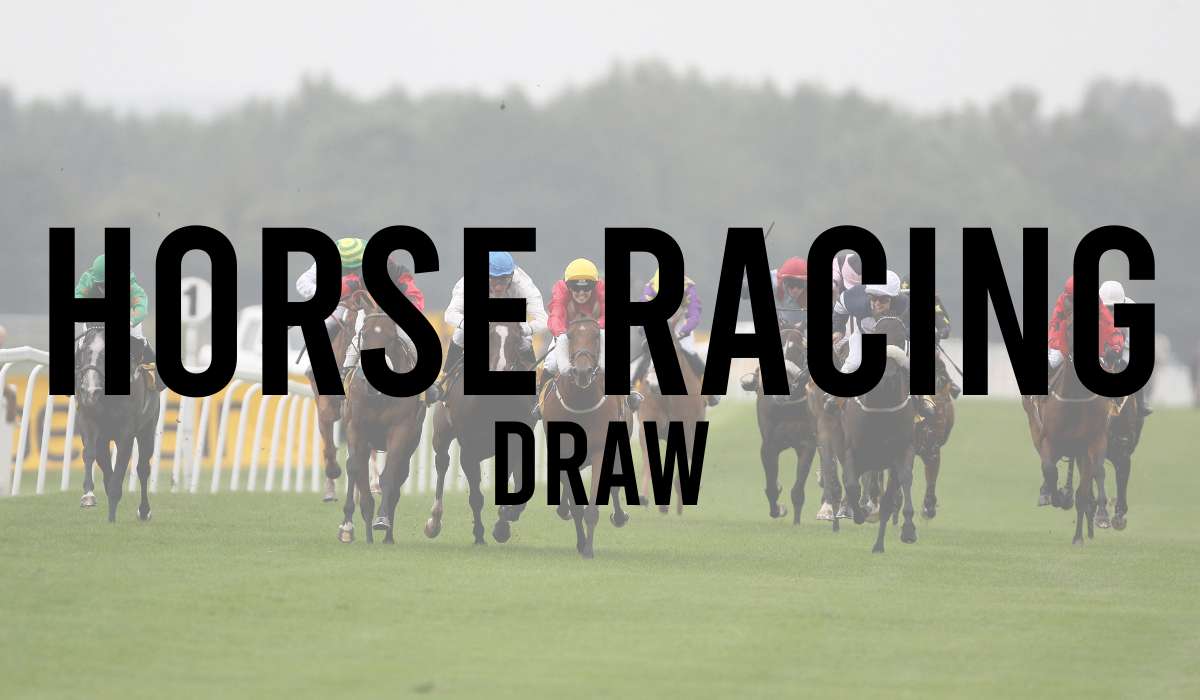
While the fervor of UK horse racing captivates fans throughout the racing season, many may wonder what occurs when there are no events taking place. UK Horse Racing Not On Gamstop www.pavilion-live.co.uk offers a glimpse into this often-overlooked aspect of the sport, shedding light on the activities and preparations that keep the horse racing community vibrant and engaged, even during quiet times.
The Racing Calendar: Beyond the Race Day
The UK horse racing calendar is packed with events, from the iconic Grand National to the thrilling Cheltenham Festival. However, racing is not just about these highlight moments; the calendar is punctuated by numerous closures and pauses between major events. Understanding this structure is crucial for enthusiasts and stakeholders alike.
In addition to the major races, there is a backdrop of local meetings, charity events, and educational seminars that contribute to the fabric of UK horse racing. During off-peak times, these events create a platform for jockeys, trainers, and owners to hone their skills and share insights.
The Life of a Racehorse Between Races
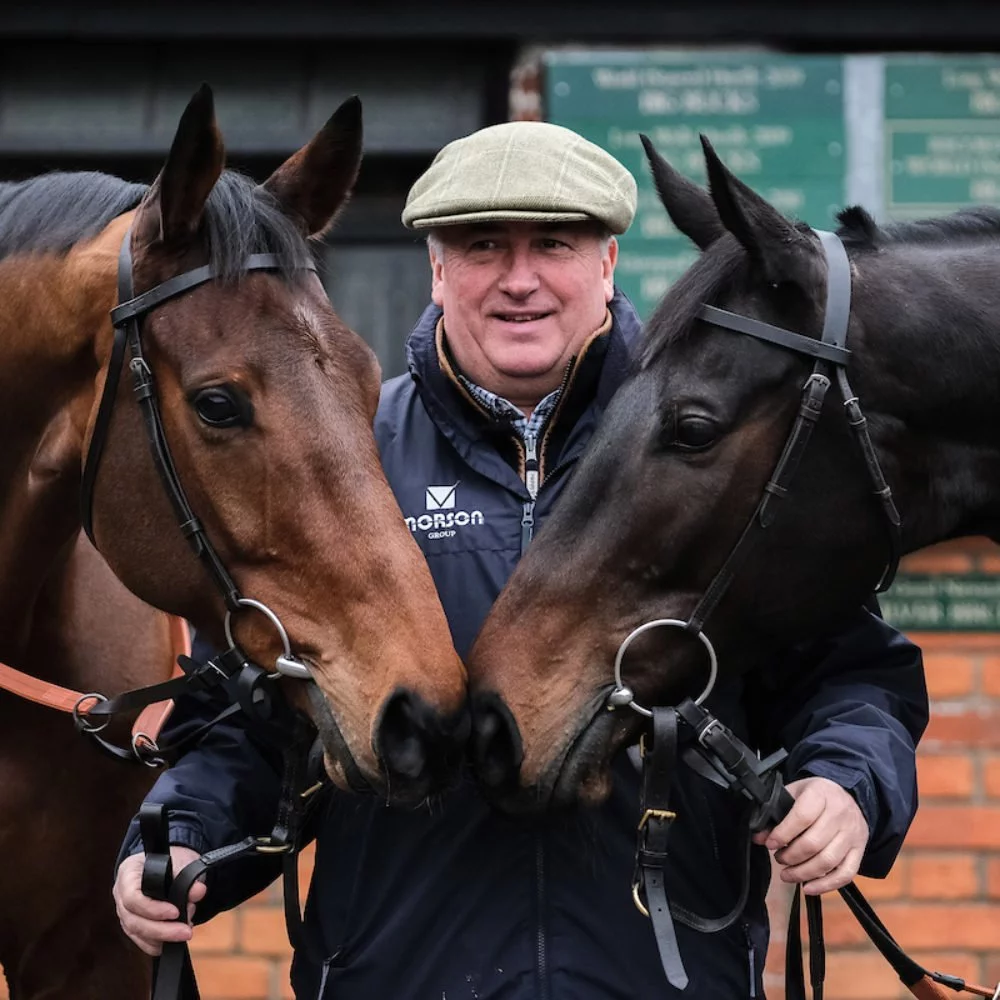
While races grab headlines, the life of a racehorse requires continuous attention. Racehorses undergo intensive training, rehabilitation, and conditioning even when there are no events scheduled. Trainers focus on building stamina, strength, and agility to prepare horses for their next performance.
With the absence of competition, many trainers tailor their approaches by integrating varied training regimes, such as cross-training and relaxation periods. The off-season becomes an opportunity to assess horses’ performances, identify areas for improvement, and chart a strategic path for their return to racing.
Supporting Jockeys and Trainers in Downtime
The role of jockeys and trainers extends beyond the racecourse. They spend considerable time maintaining their skills and understanding the ever-evolving landscape of racing tactics. Off-season workshops and training camps are commonplace during these lulls, and they can provide valuable networking opportunities for professionals looking to sharpen their competitive edge.
Additionally, the off-season is an ideal time for jockeys to record race strategies, study past performances, and focus on physical conditioning. The importance of staying fit cannot be overstated, as a jockey’s physical preparedness can be the difference between winning and losing during the busy racing period.
Fan Engagement: Keeping the Passion Alive
Fans play a crucial role in the horse racing ecosystem. Even when races are not happening, their passion helps sustain the sport. Engaging content, webinars, and online forums keep fans connected to the community. Many racing organizations turn to digital platforms to provide enthusiasts with insights, betting tips, and expert analyses. The advancements in technology foster a year-round interest in the sport, even during the off-season.
Moreover, fan engagement can extend to local tracks and stables that offer behind-the-scenes tours, interactive workshops, and community events that celebrate horse racing culture. These initiatives not only draw in fans but also help foster a deeper appreciation for the sport.
The Importance of Welfare: Ensuring a Healthy Off-Season
Horse welfare is a critical aspect of the racing industry, and off-seasons are no exception. Welfare practices are often enhanced during this time, allowing for thorough assessment and care. Plenty of time is dedicated to veterinary visits, psychological evaluations, and social interactions to ensure that horses are well-adjusted and healthy.
Organizations and charities dedicated to horse welfare become active during off-peak periods, advocating for better practices and providing resources for trainers. The significance of these efforts cannot be understated, as healthy horses are the foundation of a successful racing career.
Preparations for Upcoming Events
As events draw closer, the racing world gears up for the next round of competitions. Preparatory meetings and strategy sessions take place to outline racing plans, strategies, and marketing initiatives. The buildup also sees owners and trainers re-evaluating their lineup, sourcing additional horses, and forming partnerships with sponsors to enhance their visibility.
Moreover, anticipation and excitement for upcoming events soon begin to build as race days become visible on the horizon. Fans are treated to previews, predictions, and discussions that sustain their interest while informing and connecting them with the racing community.
Conclusion: Riding the Waves of UK Horse Racing
In conclusion, UK horse racing continues to thrive beyond the race days. While there are periods when racing events are not taking place, the passion and dedication of owners, trainers, jockeys, and fans ensure that the spirit of the sport remains vibrant. The off-season serves as a critical time for training, welfare practices, and fan engagement, all of which bolster the foundation of this beloved pastime. As fans eagerly wait for the next race day, they can appreciate that the world of horse racing is far more than just the thrill of the finish line. It is a continuous journey that embodies a deep-seated passion for equestrian sports.